AquaCell Attenuation Tanks
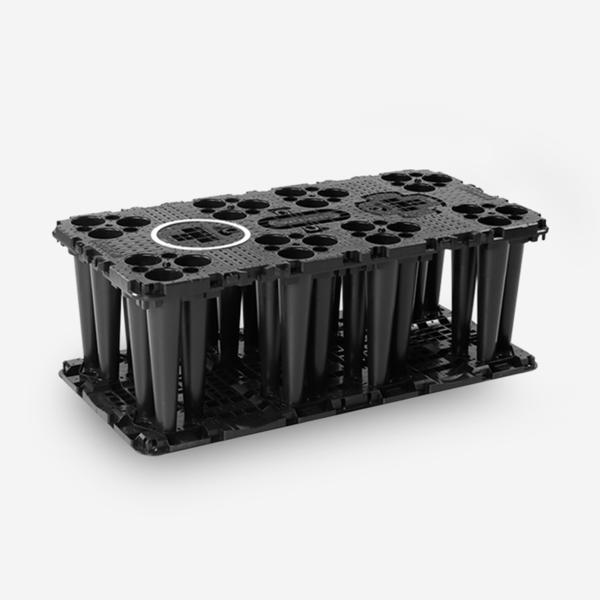
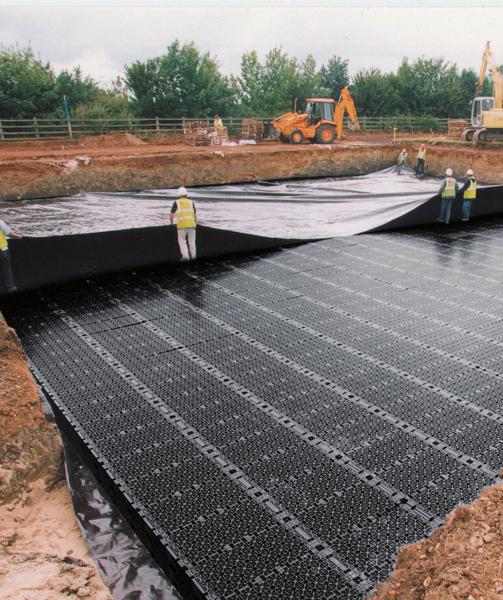
Wavin AquaCell units are a tried and tested modular system for managing excessive surface water and can be assembled to create an underground attenuation tank or infiltration soak-away. Made from recycled material, these units can be combined to form inspectable tanks for easy maintenance on developments.
Why choose AquaCell Attenuation Tanks for your next project?
Wavin AquaCell attenuation tanks provide a powerful solution for managing surface water. They have the following benefits:
- A range of systems to choose from depending on your project requirements including high load capacities
- Flexible modular designs for scalable configurations both vertically and horizontally
- Simple and efficient installation
- A wide range of components to connect AquaCell with other surface water management components
AquaCell Attenuation Tank Systems
Support

Case studies
For support on your next project, please get in touch
Attenuation Tank FAQs
What is an Attenuation Tank & Why is it used?
An attenuation tank is a below-ground structure designed to temporarily store excess surface water collected during heavy rainfall. It slows the release of water into the environment or the drainage system, reducing flood risk and preventing system overload. These tanks are essential in urban areas where impermeable surfaces prevent natural infiltration. By controlling discharge rates, attenuation tanks help meet regulatory requirements and support Sustainable Drainage Systems (SuDS). They’re commonly used in residential, commercial, and infrastructure projects to manage surface water runoff effectively and protect downstream environments.
Why install Attenuation Tanks for surface water management?
Stormwater attenuation tanks provide a storage system for rainwater and surface water allowing the slower release of water to reduce the risk of localised flooding. As impermeable surfaces in built up areas and extreme weather events associated with climate change increase there is a greater need to slow the flow and manage surface water. New Ofwat codes for adoptable sewers came into force in England from April 2020 replacing all versions of Sewer for Adoption. This new guidance is for use by developers when planning, designing and constructing foul and surface water drainage systems intended for adoption by English water and sewage companies under a section 104 agreement. It differs from the outgoing Sewers for Adoption guidance as compliance is mandatory.
How does an Attenuation Tank differ from a Soakaway or Infiltration System?
While both systems manage stormwater, attenuation tanks store and release water slowly into the drainage network, whereas soakaways and infiltration systems allow water to percolate into the ground. Attenuation tanks are ideal for sites where groundwater protection is critical or in areas with high groundwater levels. In contrast, infiltration systems are suited to areas with sandy or loamy soils. Attenuation tanks also offer more control over discharge rates, making them preferable in urban developments where space is limited and regulatory compliance is strict.
What factors influence the size of an Attenuation Tank?
Tank size depends on several variables: the catchment area, rainfall intensity, storm return period, permissible discharge rate, and local regulations. Engineers must calculate the volume of water generated during peak rainfall events and determine how much needs to be stored before controlled release. Climate change allowances (typically 40%) are also factored into future-proof the design. Hydraulic modelling or design tools like Wavin’s AquaCell Configurator can help accurately size tanks based on site-specific data and regulatory requirements.
What materials are Attenuation Tanks made from?
Attenuation tanks are typically constructed from geocellular units made of high-strength polypropylene, though concrete options exist for specific applications. Plastic units, like Wavin’s AquaCell range, offer high void ratios (up to 96%), lightweight handling, and modular flexibility. These units are designed to withstand traffic loads and varying depths, making them suitable for installation under roads, car parks, or landscaped areas. Material choice depends on site conditions, loading requirements, and environmental considerations such as recyclability and carbon footprint.